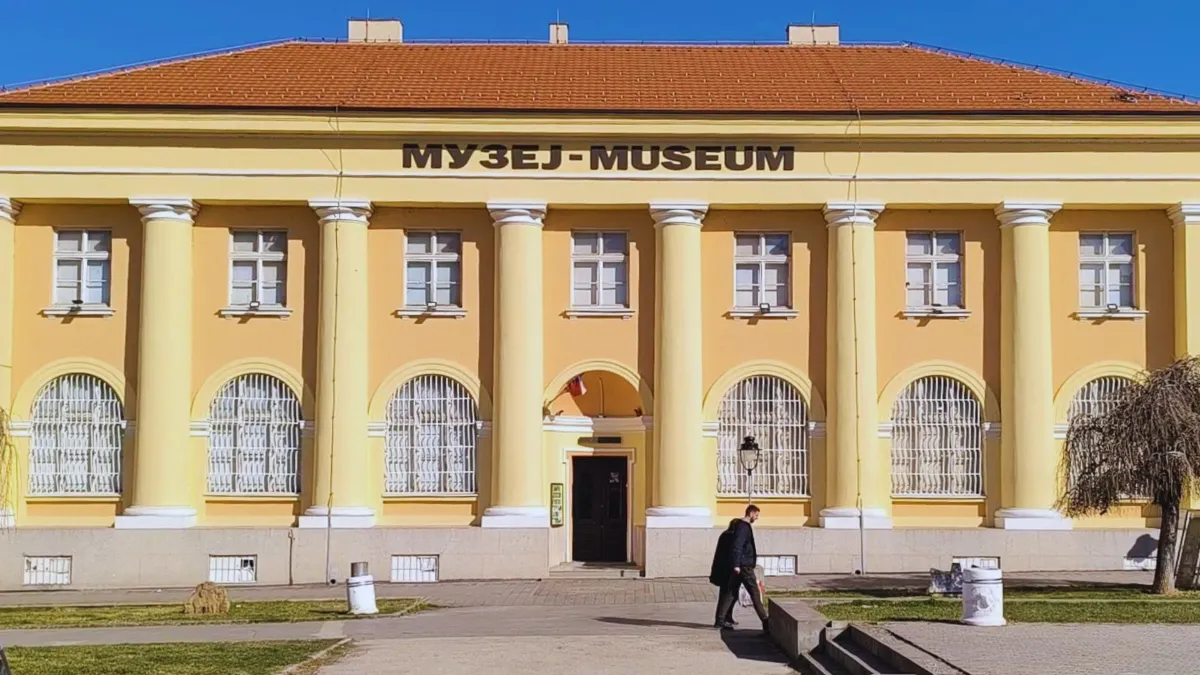
The National Museum in Zaječar, founded on March 27, 1951, is a key cultural institution of Eastern Serbia. It is housed in a building dating from 1927, reconstructed in 2010, and features permanent exhibitions in archaeology, history, art history, ethnology and intangible cultural heritage.
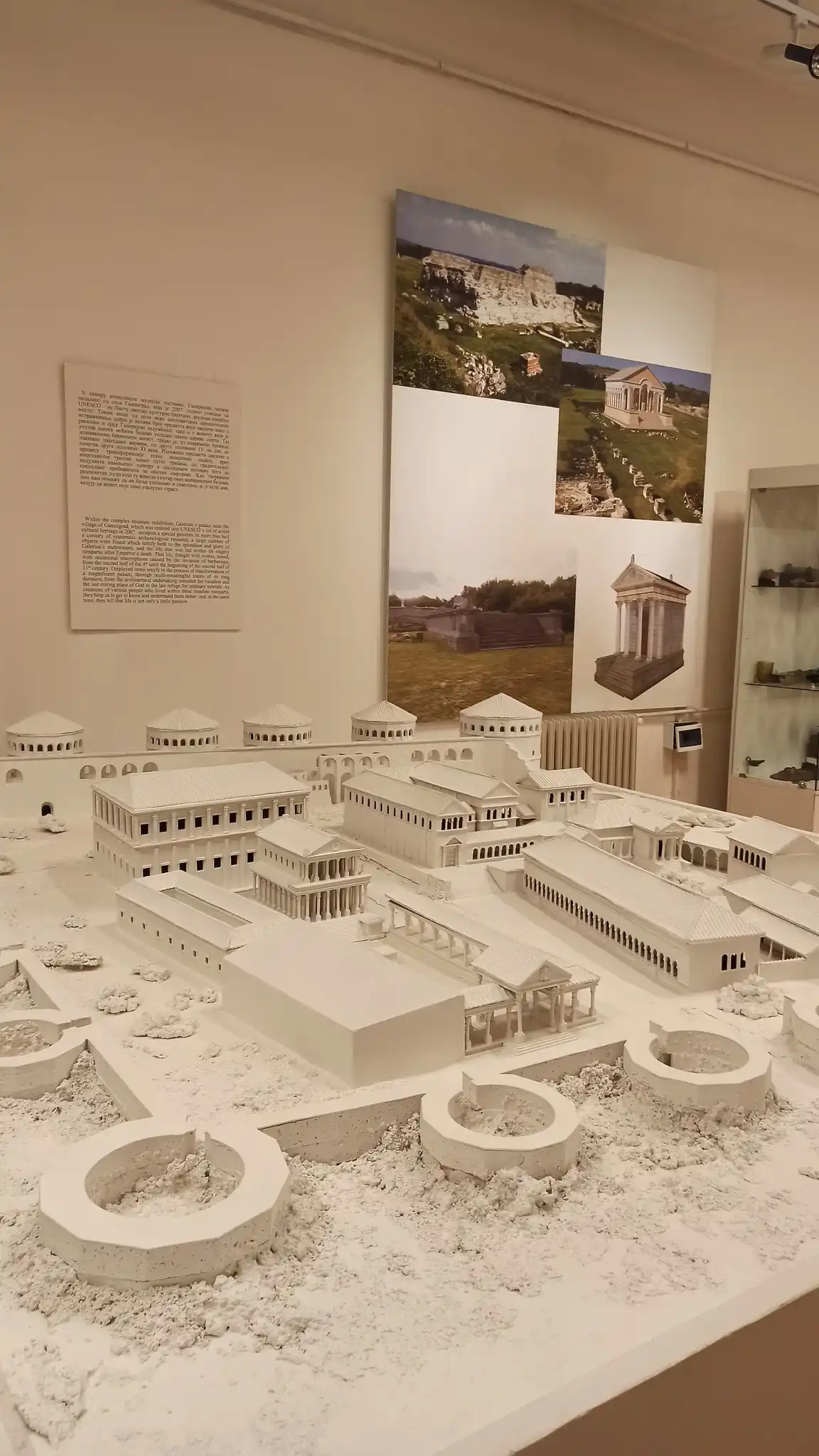
The museum preserves around 15,000 objects, including mosaics, sculptures and architectural decorations from the imperial palace of Felix Romuliana, which was inscribed on the UNESCO World Heritage List in 2007. For its contribution to culture and education, the museum was named the best museum in Serbia in 2012 by the national ICOM committee.
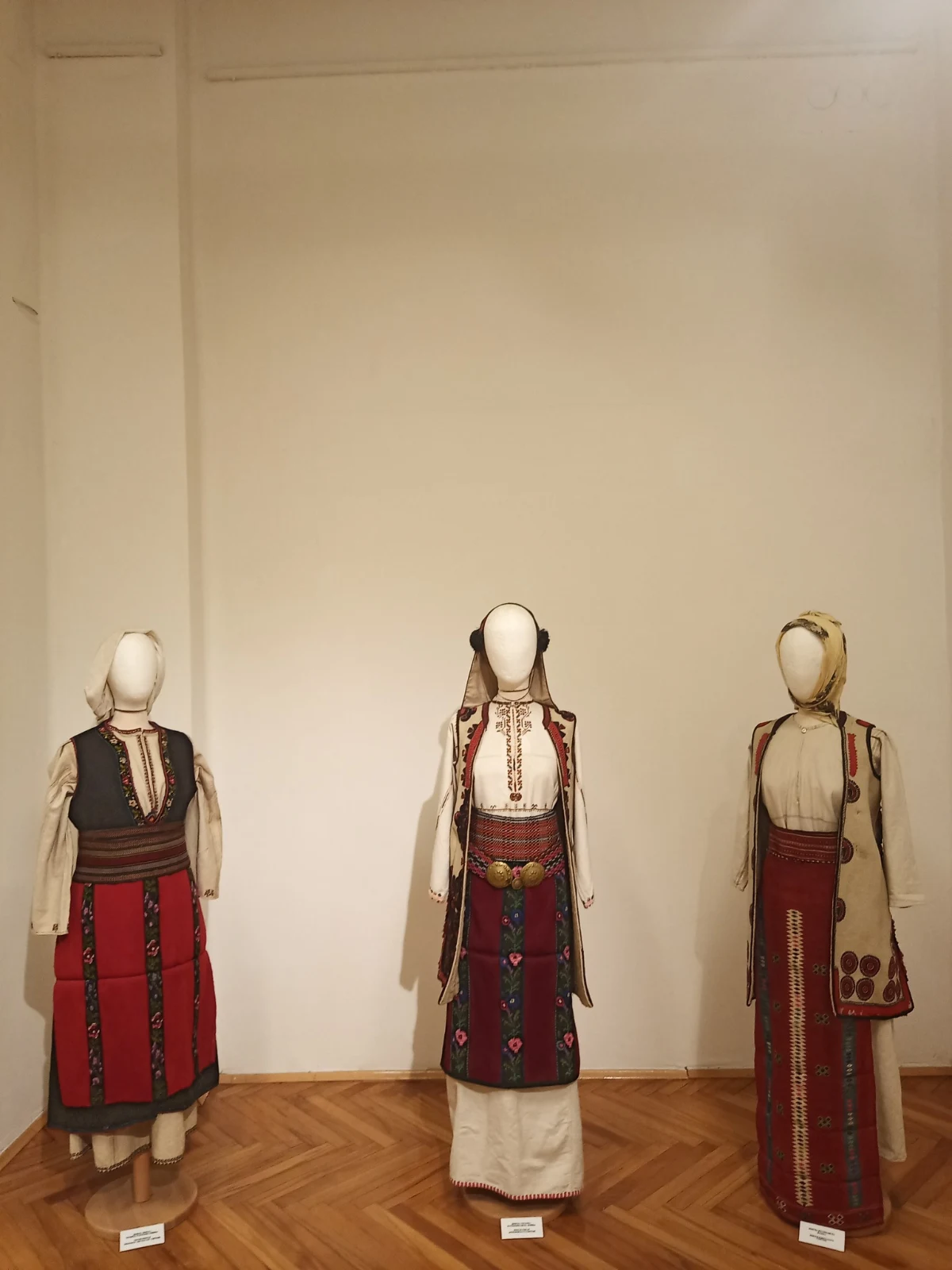
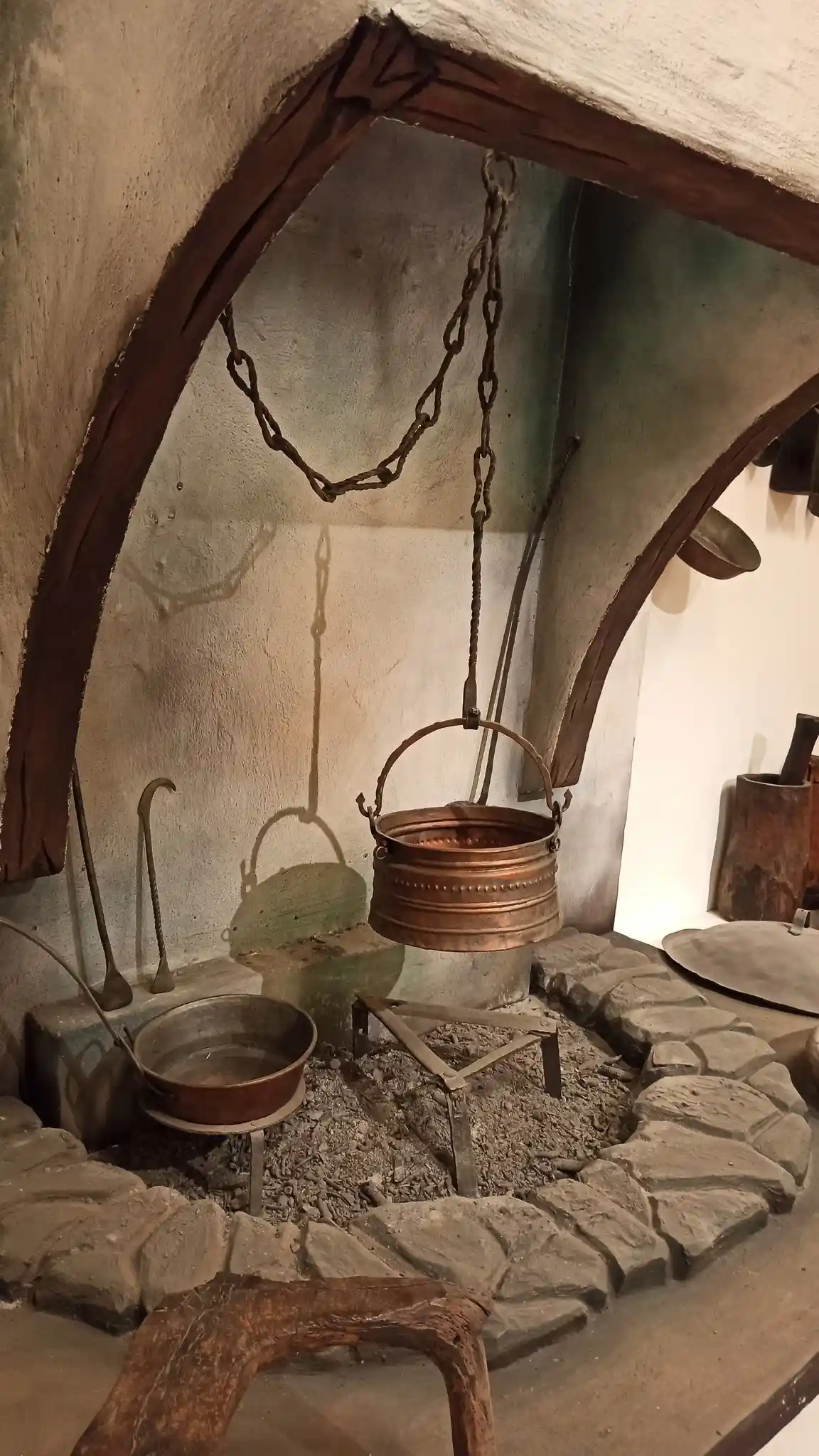
The archaeological collection includes objects from prehistory to the Middle Ages, from porphyry sculptures and mosaics to everyday items. The ethnological collection, with more than 5,000 exhibits, presents rural and urban life through jewelry, household objects, musical instruments and traditional items. Three ethnological annexes — Radul Begov Konak, the Turkish Watermill and the house in Mali Izvor — further bring the historic atmosphere to life.
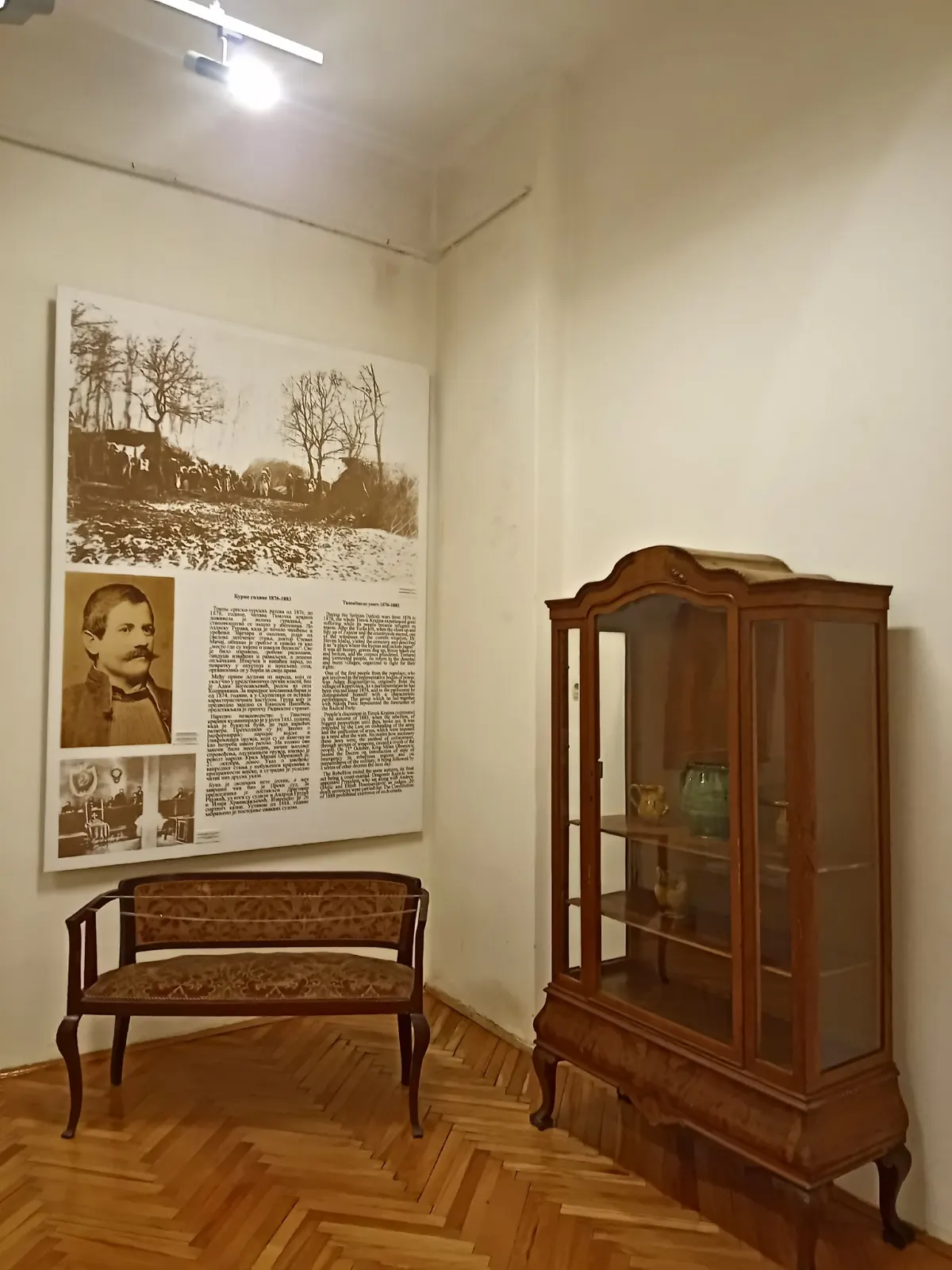
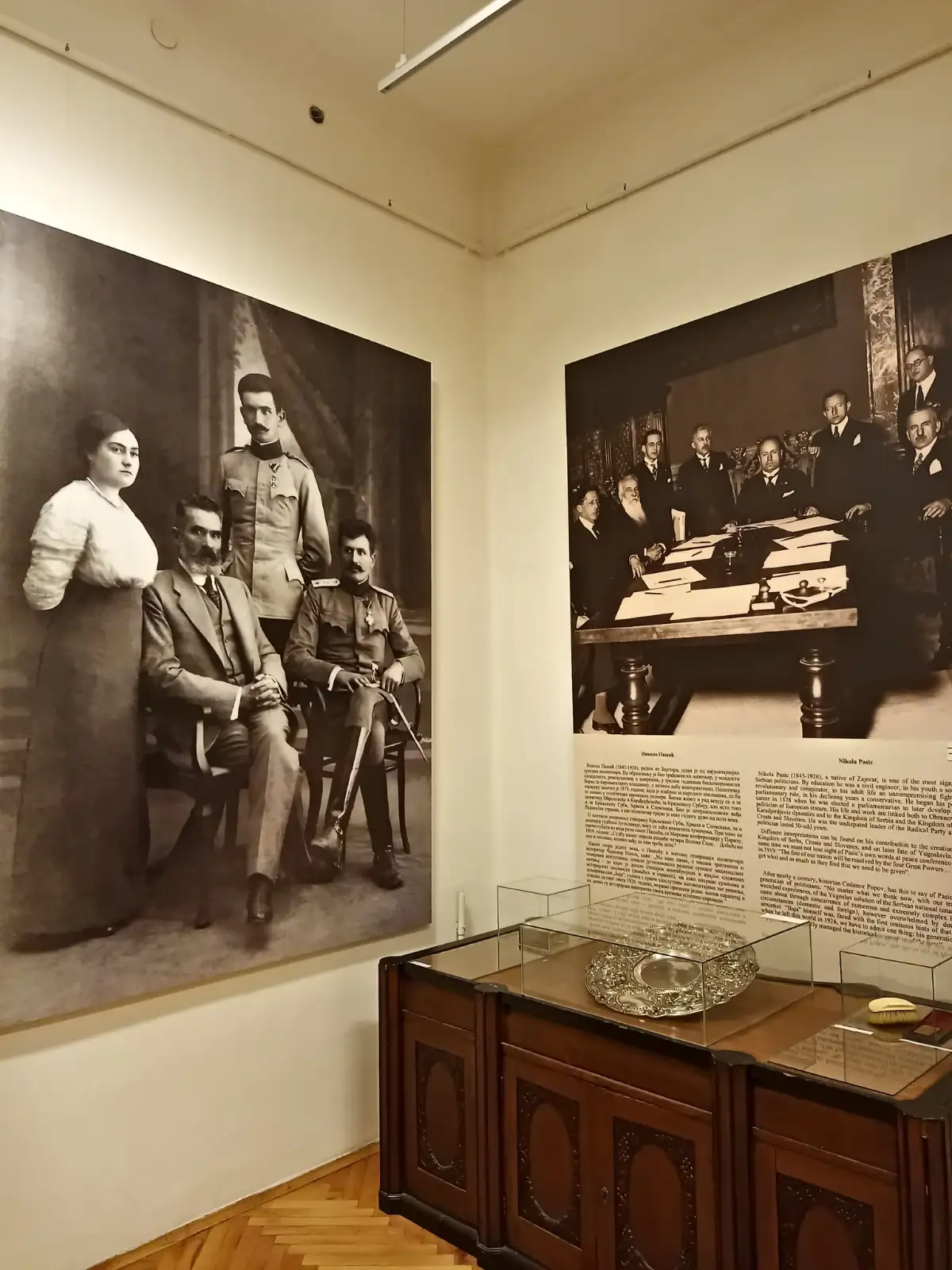
The historical collection documents events from the uprising period to the 20th century through uniforms, weapons, photographs, flags and documents, including material related to figures such as Nikola Pašić, Adam Bogosavljević and Đorđe Genčić.
The museum’s art history collection includes more than 1,000 works — paintings, prints, icons and sculptures — by local and leading Serbian artists of the 20th century, including Dušan Adamović and Anatoly Bayev.
Today, the National Museum Zaječar is an important center of education, research and cultural tourism, connecting the rich past of this region with the contemporary cultural scene.