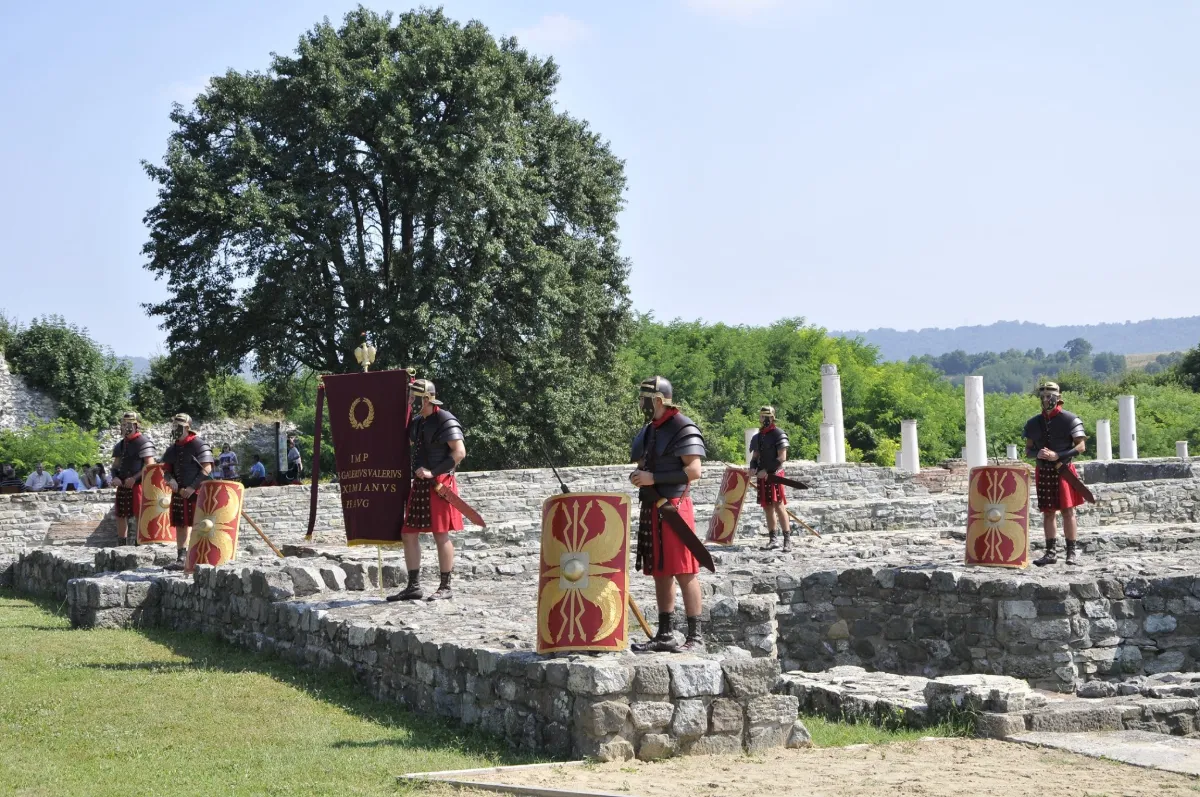
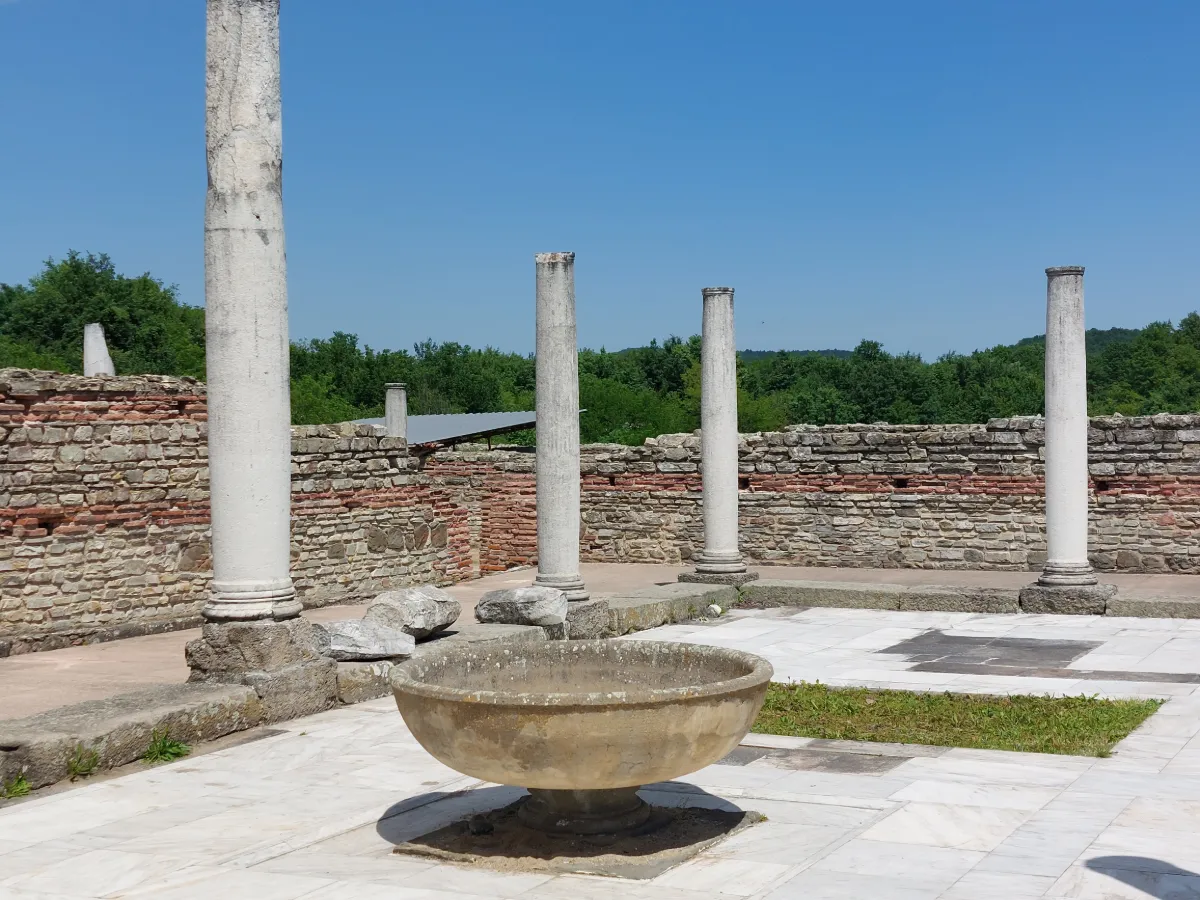
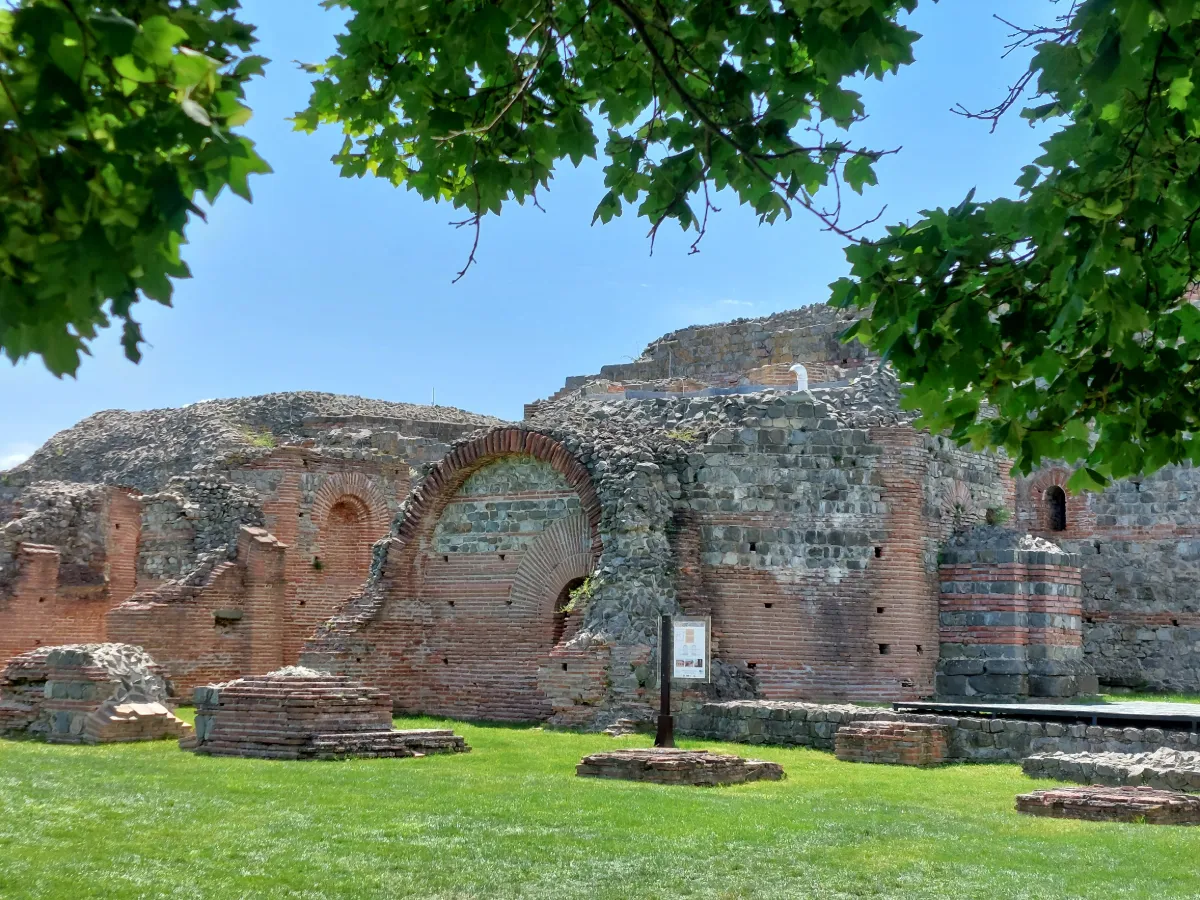
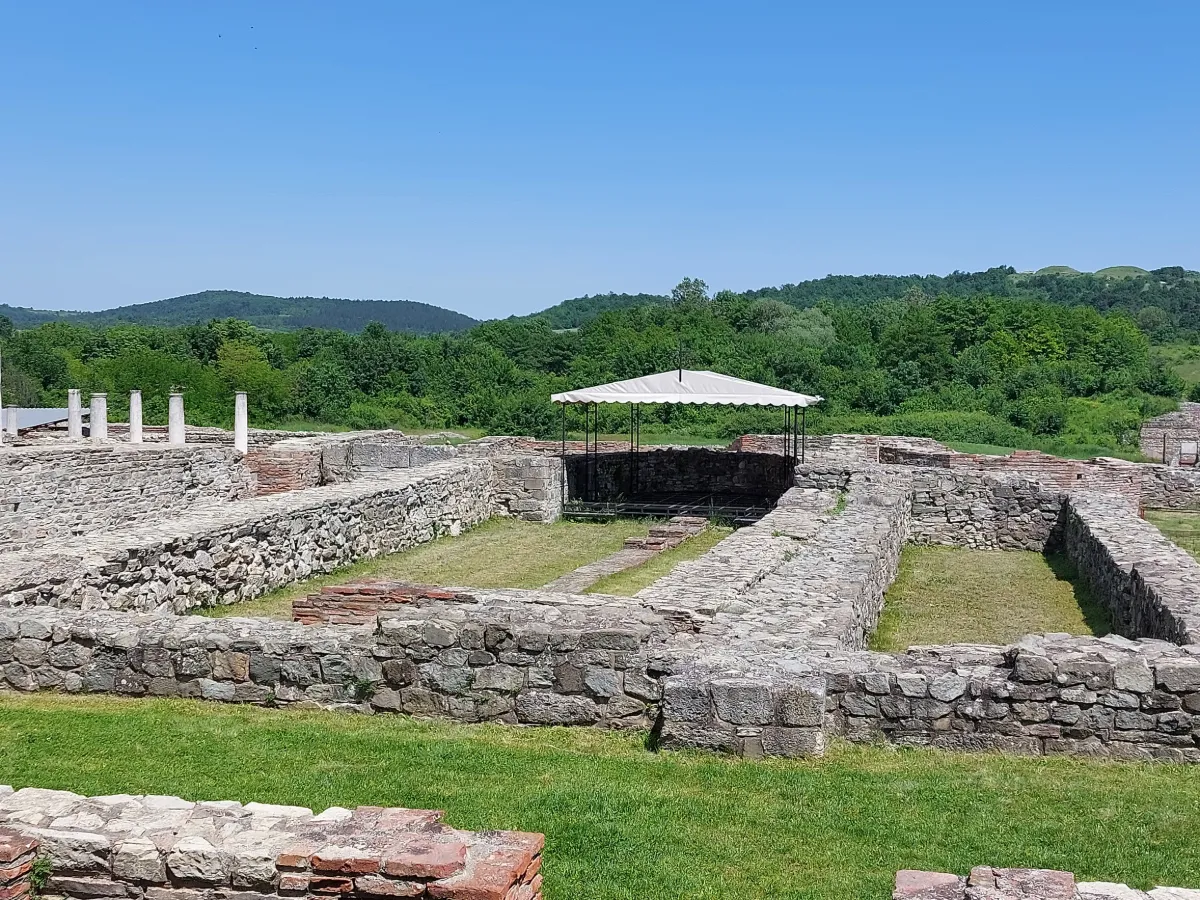
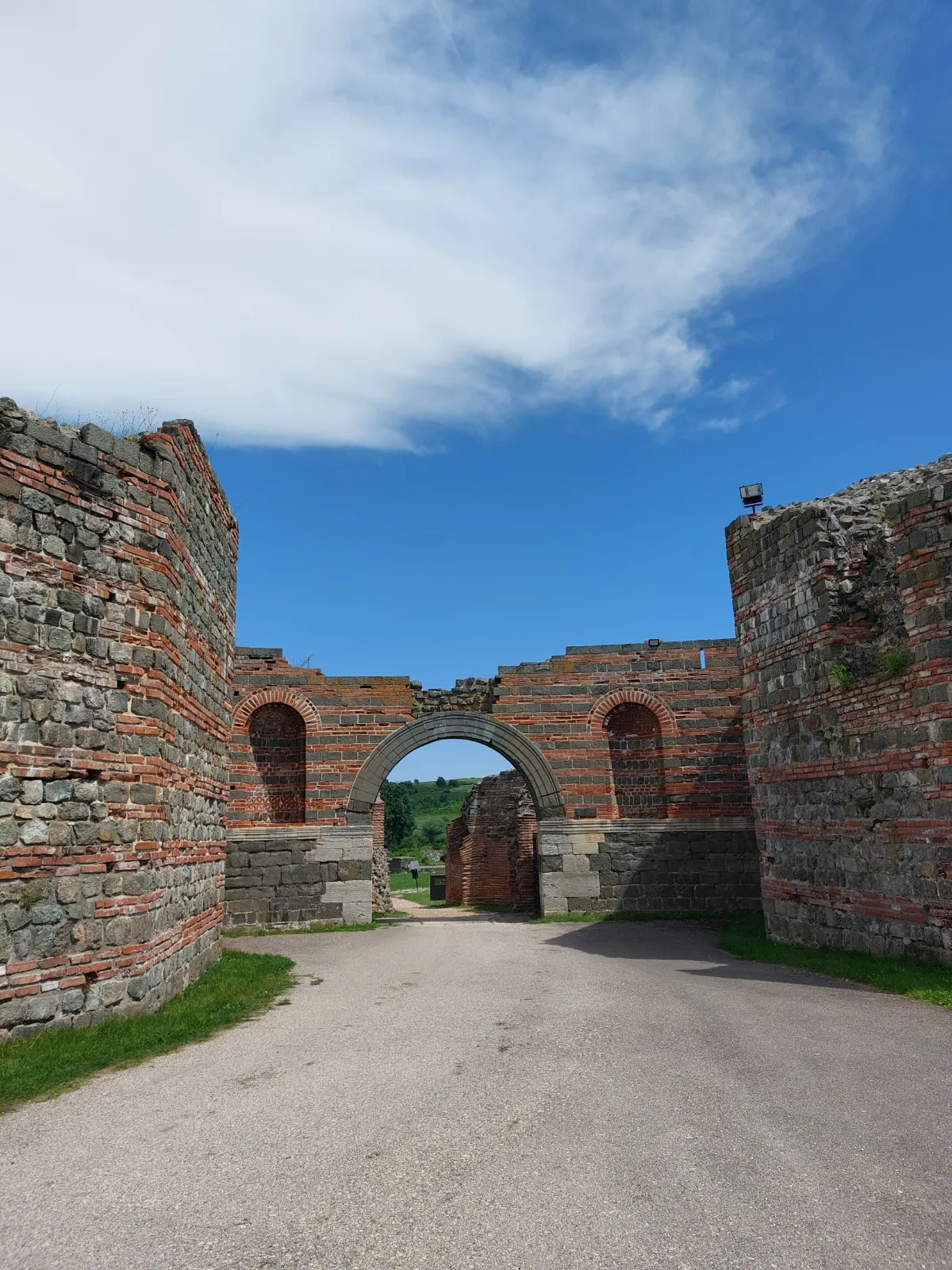
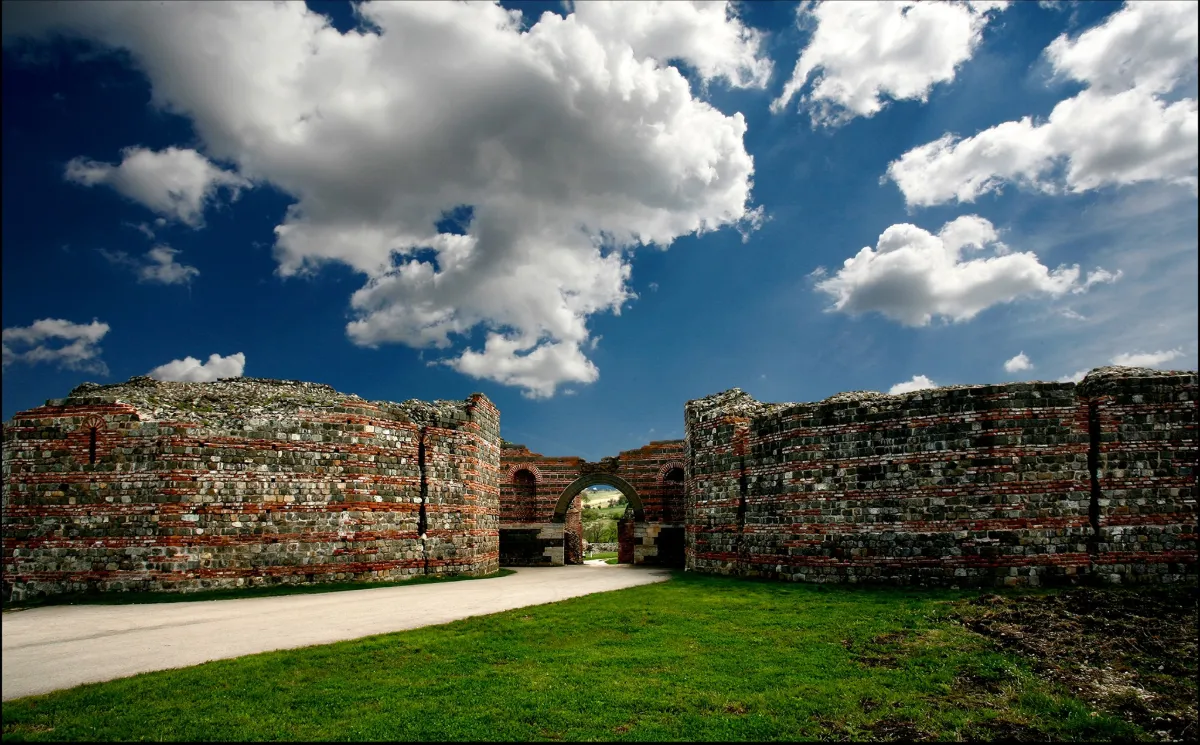
Surrounded by the mountains of Eastern Serbia, near Zaječar, lies Felix Romuliana, a late Roman imperial palace complex. Built in the 3rd and 4th centuries AD, it is associated with Emperor Gaius Valerius Galerius Maximianus, who was born around 250 AD and was one of sixteen Roman emperors born on the territory of present-day Serbia.
Inspired by the god Dionysus, Galerius identified himself and his mother with this deity, as suggested by archaeological evidence discovered on Magura Hill, located about one kilometre from the main gate of Romuliana. The magnificent palace, built by Galerius in the place of his birth and named Romuliana after his mother, is one of the best-preserved Roman monuments in Serbia.
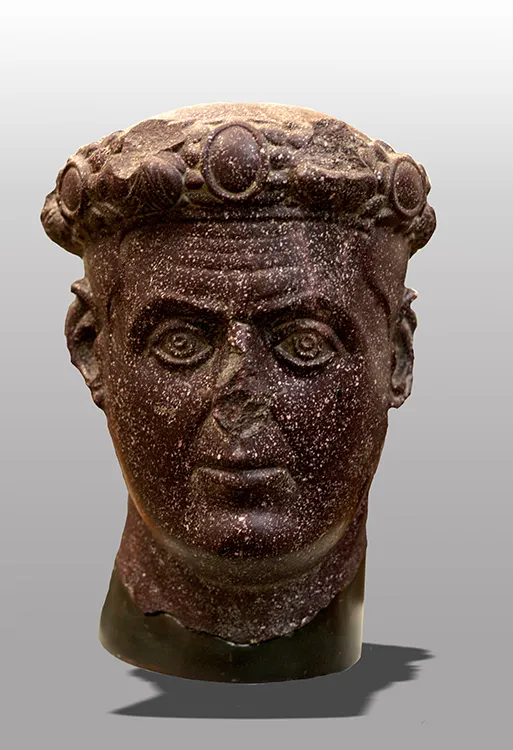
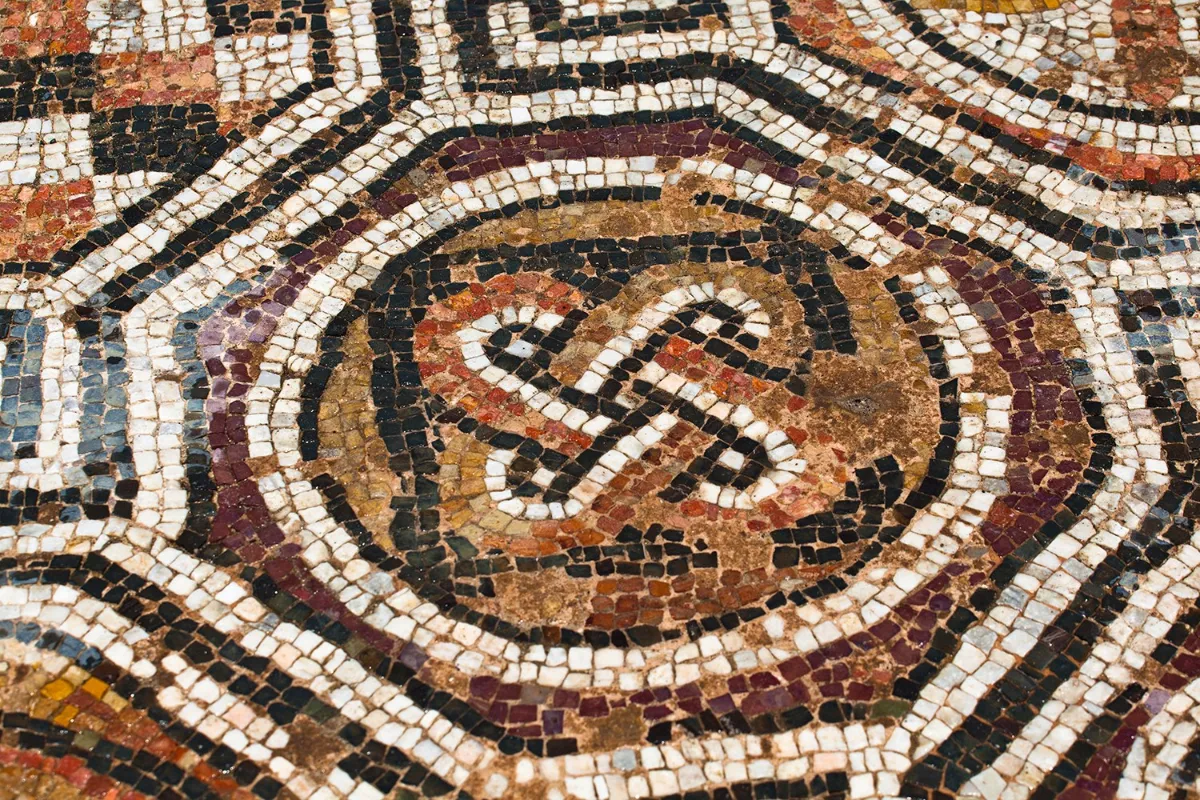
The palace floors were decorated with mosaics of outstanding craftsmanship, while the walls were enriched with frescoes and panels made of precious stone. The complex was also filled with sculptures made from rare and difficult-to-work materials, including red porphyry. This grand architectural ensemble was surrounded by defensive walls with twenty towers.
Thanks to its unique architectural features, as well as the beauty and quality of its preserved artworks, floor mosaics, and sculptures, Felix Romuliana was inscribed on the UNESCO World Heritage List in 2007.